

Sponsored by Epicur Pharma® and Bova Group
*Please note: this recording is not approved for CE credits
Feline Chronic Gingivostomatitis (FCGS) is a common and debilitating disease affecting the oral mucosa of cats, and is associated with high morbidity and mortality. Whilst the aetiopathogenesis is poorly understood, as an association with feline calicivirus and aberrant immune response is well described. To date, treatment options include tooth extractions (often full mouth extraction) with adjunctive treatments of corticosteroids, cyclosporine, feline omega interferon, and stem cell therapy. Recent advances in feline antiviral therapies have led to the exploration of molnupiravir and its metabolite EIDD-1931 for the treatment of calicivirus-associated gingivostomatitis. This webinar will discuss a new therapeutic protocol comprising EIDD-1931, doxycycline and meloxicam and include experiences of the treatment and outcomes to date, indications, guidelines and common concerns that arise, in addition to welfare-guided ethical decision-making in managing these cases.
Explain the current evidence surrounding the aetiopathogenesis of feline chronic gingivostomatitis (FCGS), including the roles of feline calicivirus infection and immune-mediated inflammation.
Assess the benefits and limitations of established treatment strategies for FCGS, including full-mouth tooth extraction and adjunctive medical therapies, with consideration of patient welfare and long-term outcomes.
Describe the mechanism of action and emerging evidence supporting the use of EIDD-1931 as an antiviral agent in the management of calicivirus-associated FCGS.
Implement a novel therapeutic protocol incorporating EIDD-1931, doxycycline, and meloxicam, including appropriate dosing, treatment duration, monitoring, and client communication.
Interpret reported clinical outcomes and observed adverse effects associated with this protocol to inform evidence-based clinical decision-making.
Identify appropriate case selection criteria, indications, and contraindications for antiviral-based therapy in cats with FCGS.
Discuss common clinical, ethical, and regulatory considerations associated with off-label antiviral use, antimicrobial stewardship, and informed consent.
Apply welfare-centred ethical decision-making principles when managing refractory FCGS cases, including quality-of-life assessment and end-of-life discussions.
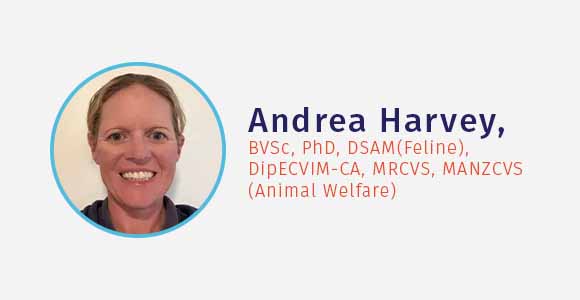
Andrea is an Associate Professor in Veterinary Medicine and Animal Welfare Science at the Sydney School of Veterinary Science, University of Sydney. A graduate of the University of Bristol (UK) she is a Registered Specialist in Feline Medicine, holding both the RCVS Diploma in Feline Medicine and ECVIM Diploma in veterinary internal medicine, and memberships and a PhD in Animal Welfare Science. Andrea’s research and clinical interests lie in advancing animal welfare, particularly in cats and horses, and the management of feline chronic diseases. She is also passionate about education and supporting and empowering veterinarians to do the best that they can for their patients.
We have a full library of webinars and other resources to help you continue learning about the topics important to you, your practice, and your patients!