

*Please note: this recording is not approved for CE credits
This webinar highlights the importance of analgesia and pain management in laboratory rodents with a focus on a novel injectable buprenorphine extended-release analgesic emphasizing it’s pharmacokinetic, efficacy, and physical properties such as low viscosity allowing use of smaller needles for administration while reducing handler strain and improving patient comfort.
Attendees gain practical insight into how improved flow characteristics enhance both the ease of administration and animal well-being, while ensuring compliance with regulatory and quality standards. In addition, attendees learn optimal administration techniques and best practices for post-administration monitoring.
1. Understanding the pain pathway and its mechanistic components as targets for analgesia.
2. Understand buprenorphine pharmacology and pharmacokinetics.
3. Develop and optimize multimodal or single therapy analgesia with buprenorphine extended-release buprenorphine.
4. Understand the formulation, pharmacokinetic and analgecis characteristics of a novel buprenorphine extended-release therapy.
5. Understand proper handling and administration techniques in rodents to facilitate administration and minimize adverse effects.
6. Understand the benefits of a cGMP manufactured product such as sterility, stability, and extended shelf-life.
7. Identify the benefits of a smooth-flowing sustained-release injectable on animal welfare, procedural efficiency, and study outcomes.
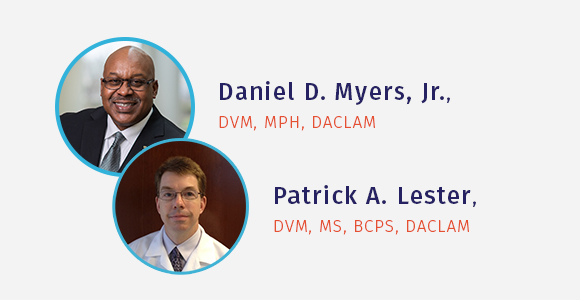
Patrick A. Lester, DVM, MS, BCPS, DACLAM
Clinical Professor of Laboratory Animal Medicine | Adjunct Associate Professor, College of Pharmacy | Unit for Laboratory Animal Medicine (ULAM) | University of Michigan Medical School
Dr. Patrick A. Lester is a clinical professor in Laboratory Animal Medicine at the University of Michigan and Co-Director of the Refinement & Enrichment Advancements Laboratory dedicated to optimizing biomedical research and improving animal well-being. As an experienced comparative medicine veterinarian and board-certified pharmacotherapy specialist pharmacist, he has acquired a unique blend of human and veterinary clinical expertise coupled with research experience in both academic and industry settings. His research interests include anesthesia and analgesia, venous thrombosis, pharmaceutical compounding, sustained-release drug formulation and pharmacokinetic modeling.
As a key collaborator with the Conrad Jobst Vascular Research Laboratories, Dr. Lester contributes to the development and optimization of preclinical large and small animal models used in studies of venous thrombosis, vascular interventions, and device evaluation. A central focus of Dr. Lester’s current research involves evaluating and refining extended-release buprenorphine formulations in mice and rats to improve pain management and welfare in complex preclinical studies.
Daniel D. Myers, Jr., DVM, MPH, DACLAM
Conrad and Caroline Jobst Research Professor of Vascular Surgery | Professor of Surgery | Professor of Laboratory Animal Medicine | Veterinarian, Unit for Laboratory Animal Medicine (ULAM) | University of Michigan Medical School
Dr. Daniel D. Myers is an internationally recognized expert in translational vascular research and comparative medicine. As Director of the Myers Laboratory within the Conrad Jobst Vascular Research Laboratories at the University of Michigan, he leads a multidisciplinary team dedicated to advancing understanding and treatment of venous thrombosis (VT). Dr. Myers’ research integrates vascular biology, pharmacology, and laboratory animal medicine to develop and refine preclinical models that closely reflect human disease. His group has been instrumental in evaluating novel therapeutic strategies and interventional devices, including venous stents, drug-coated balloons, and targeted antithrombotic therapies.
A major focus of his current work is the development of sustained-release analgesics and other innovations that improve animal welfare while enhancing translational research outcomes. His collaborations with Epicur and colleagues such as Dr. Patrick Lester have led to pioneering approaches that reduce pain and inflammation in laboratory animals without compromising scientific integrity.
Dr. Myers continues to promote excellence in compassionate, evidence-based research, bridging the disciplines of surgery, pharmacology, and laboratory animal medicine to advance both human and animal health.
We have a full library of webinars and other resources to help you continue learning about the topics important to you, your practice, and your patients!