

GFI #256B News

Help Protect Office Stock Medications!

Educational Veterinary Webinars

Educational Veterinary Webinars About GFI Regulations Telemedicine Veterinary Oncology Controlled Substances And more!

Upcoming Webinars

Epicur Pharma’s dedication to advancing veterinary practice standards means we understand the value of continuing education for veterinary professionals. We partner with leaders in the veterinary industry and top veterinary specialists to develop opportunities for learning, growth, and understanding of regulatory standards, trends and insights in patient care, veterinary hospital best practices, and more. 

Smooth Delivery: A Novel Extended-Release Buprenorphine for Use in Laboratory Rodents

November 19 | 8 p.m. ET

RACE-Approved CE Credit Hours: 1
Free to attend

Attendees will gain practical insight into how improved flow characteristics enhance both the ease of administration and animal well-being, while ensuring compliance with regulatory and quality standards. In addition, attendees will learn optimal administration techniques and best practices for post-administration monitoring.


Controlled Substances 101: How & Why You Must Comply! Parts 1 and 2

December 8 | 7 p.m. ET

RACE-Approved CE Credit Hours: 2
Free to attend

Attendees will learn how to improve security, prevent theft per DEA regulations and proactively prepare for a DEA audit and best practice time saving suggestions from a previous veterinary practice owner, consultant & public speaker/educator, who has worked with Veterinarians cited by the DEA.

Want to be the first to know about our upcoming webinars? 

Become an Epicur subscriber! Sign up to get all the latest updates about our webinars and other resources.

On-Demand Webinars

Did you miss an educational session you really wanted to attend? Some of our webinars are on-demand so you can watch them on a schedule that works for you! As each session becomes available we add it, so be sure to check back or contact our team if you don’t see the webinar you’re looking for. 

PPID Part 2: Management of PPID, Pergolide and Beyond!

PPID webinar series part 2 considered the pharmaceutical and non-pharmaceutical options for the management of pituitary pars intermedia dysfunction, including nutrition of the geriatric horse and new compounds available.

A Novel Pharmacological Tool: Clinical Use of Ertugliflozin in Horses with Hyperinsulinemia and Laminitis

This webinar explored ertugliflozin as a treatment for equine hyperinsulinemia, using real-world case examples and emerging evidence. It addressed patient selection, treatment and monitoring strategies, and practical considerations for applying research to everyday clinical care in horses at risk of metabolic disease and laminitis.

PPID Part 1: Diagnosis of PPID, Value of the TRH Stimulation Test

PPID webinar series part 1 reviewed the available diagnostic tests available to practitioners to diagnose pituitary pars inter media dysfunction (PPID). The session focused on the use of the thyrotropin-releasing hormone (TRH) stimulation test in the diagnosis and the follow-up of clinical cases.

Advances in the Management of Feline Chronic Gingivostomatitis

This webinar reviewed Feline Chronic Gingivostomatitis (FCGS), including its link to feline calicivirus, immune dysfunction, and current treatment options. It presented a new protocol using EIDD-1931, doxycycline, and meloxicam, with clinical outcomes, guidelines, common concerns, and welfare-based decision-making.

Updates in Feline Infectious Peritonitis: How to Diagnose and Treat FIP in 2026

This webinar covered the rapidly evolving management of FIP and featured the latest scientific evidence available in 2026. It reviewed the diagnostic and treatment approaches of the time including prognosis, relapse risk, emerging data on shortened treatment duration, and strategies for counseling clients given the continued use of black market products despite the availability of compounded options.

Smooth Delivery: A Novel Extended-Release Buprenorphine in Laboratory Animals

This webinar covered rodent pain management and a new long-acting buprenorphine that’s easier to use and improves comfort.

Current Recommendations for the Diagnosis And Management of Canine Myxomatous Mitral Valve Disease (MMVD)

This session covered the progression and management of mitral valve disease in dogs, detailing diagnostic and treatment strategies for each stage based on expert consensus and recent research, aimed at enhancing practical application for general practitioners.

A Clinical Review of Treatment Protocols for Primary Colic Lesions with Secondary Gastric Ulcers

This talk explored how gastric ulcers can complicate primary large bowel colic cases, including effects of distension, reflux, fasting, and hospitalization on gastric function. Attendees gained confidence in diagnosing secondary gastric ulcers and developing effective prevention and treatment protocols alongside management of the primary colic lesion.

Smooth Delivery: A Novel Extended-Release Buprenorphine in Laboratory Animals

This webinar highlighted the importance of analgesia and pain management in laboratory rodents with a focus on a novel injectable buprenorphine extended-release analgesic. 

Don’t Panic! Ophthalmic Emergencies In The Dog

In this lecture, Dr. Haeussler covered various types of corneal ulcers that constituted an emergency. Additionally, negative prognostic indicators as they related to proptosis were reviewed. Various lenticular diseases, such as anterior lens luxation and lens capsule ruptures, were discussed, along with the medical management of acute glaucoma.

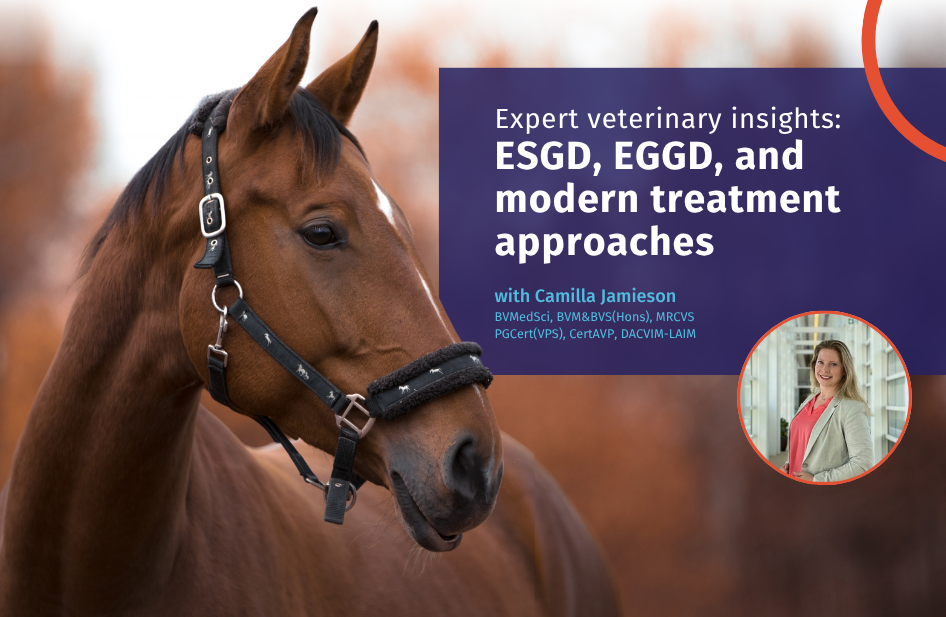
Updates on the Treatment of Equine Gastric Disease

This webinar will highlighted recent developments in the management of both squamous and glandular gastric disease, reviewing recent publications in the context of existing knowledge. Attendees gain an understanding of the limitations of oral proton pump inhibitors and explore advances in newer generation PPIs, including extended-release injectable omeprazole. The session also covered the published evidence supporting a range of treatment options for gastric disease.

When FIP Reaches the Brain: Clinical Insights into Neurological FIP

This webinar taught the pathogenesis of neuro-FIP, review common neurological presentations, and discuss advances in diagnostic imaging, laboratory testing, and therapeutic options. Practical case examples highlighted diagnostic pitfalls and management strategies, with an emphasis on current and emerging treatments that are reshaping the prognosis for affected cats.

Can Vets Still Give Chemotherapy? Why or Why Not?

This webinar taught the basics of chemotherapy, including safety risks, handling guidelines, and clinic protocols. It also covered oral chemotherapy options, common medications, and how to communicate effectively with pet owners.

Injectable Omeprazole in Horses with Gastric Ulcers

In this lecture was a brief review of the anatomic regions of the equine stomach and classification of gastric ulcers. In addition, the lecture discussed management and current pharmacologic treatments for gastric ulcers in horses and the limitations of those treatments. The lecture also presented a study outlining the efficacy of a long-acting omeprazole injectable solution in horses with induced non-glandular and glandular gastric ulcers.

Martyrdom in Veterinary Medicine

This webinar explored the often-overlooked culture of martyrdom in veterinary medicine, where enduring excessive workloads is frequently mistaken for dedication. It guided veterinary professionals in recognizing and changing self-sabotaging behaviors that lead to burnout and unsustainable work practices.

More Resources to Explore

Check out our most recent articles on leading veterinary topics including trends, tips, insights, interviews and more. See the full listing of posts on our blog! 
Our resources library also features tip sheets, guides, office handouts, videos, and other educational resources. Check out our educational tools.